If you have been priced out of parts of Los Angeles or Orange County, Riverside probably keeps showing up on your radar. That makes sense. You may be looking for more space, a different pace, or a home style that feels harder to reach closer to the coast, but you also need a realistic view of commute times, neighborhood options, and day-to-day life. This guide will walk you through what to expect when relocating to Riverside from LA or Orange County so you can make a smart, confident move. Let’s dive in.
Why Riverside draws LA and OC movers
For many buyers, Riverside stands out because your budget can often stretch further here. As of May 2026, Riverside’s median sale price was $639,617, compared with $937,189 in Los Angeles County and $1,255,983 in Orange County. That is a meaningful gap if you are trying to balance payment, space, and location.
Price per square foot tells a similar story. Riverside came in at $384 per square foot, while Los Angeles County was $600 and Orange County was $693. In practical terms, the same budget may open the door to more square footage, a larger lot, or different housing styles than you may be seeing in LA or OC.
That said, Riverside is not a sleepy bargain market where homes sit forever. Homes averaged about 35 days on market, with about 2 offers on average. If the right home hits the market, you should still be prepared to act decisively.
What your budget may buy
A move to Riverside is often about tradeoffs that feel worthwhile. You may be able to shift from a smaller home to something with more indoor or outdoor space, or from a tighter search area in LA or Orange County to a broader set of neighborhood choices.
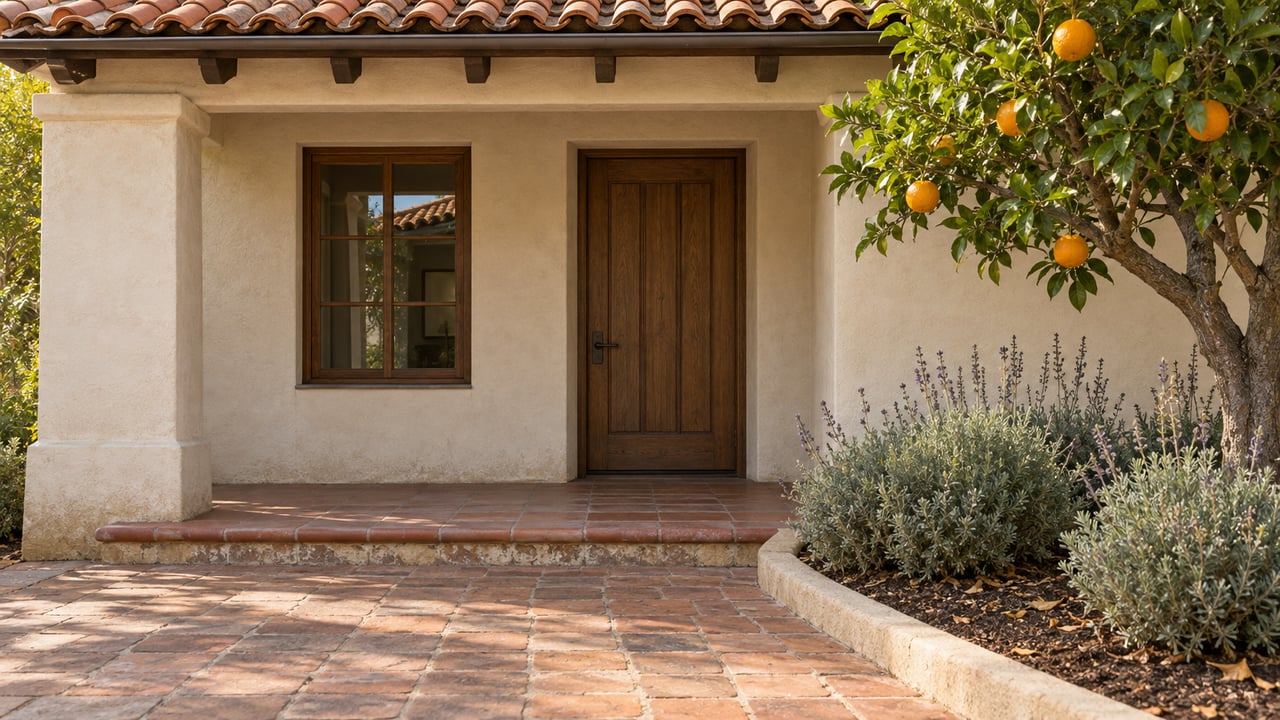
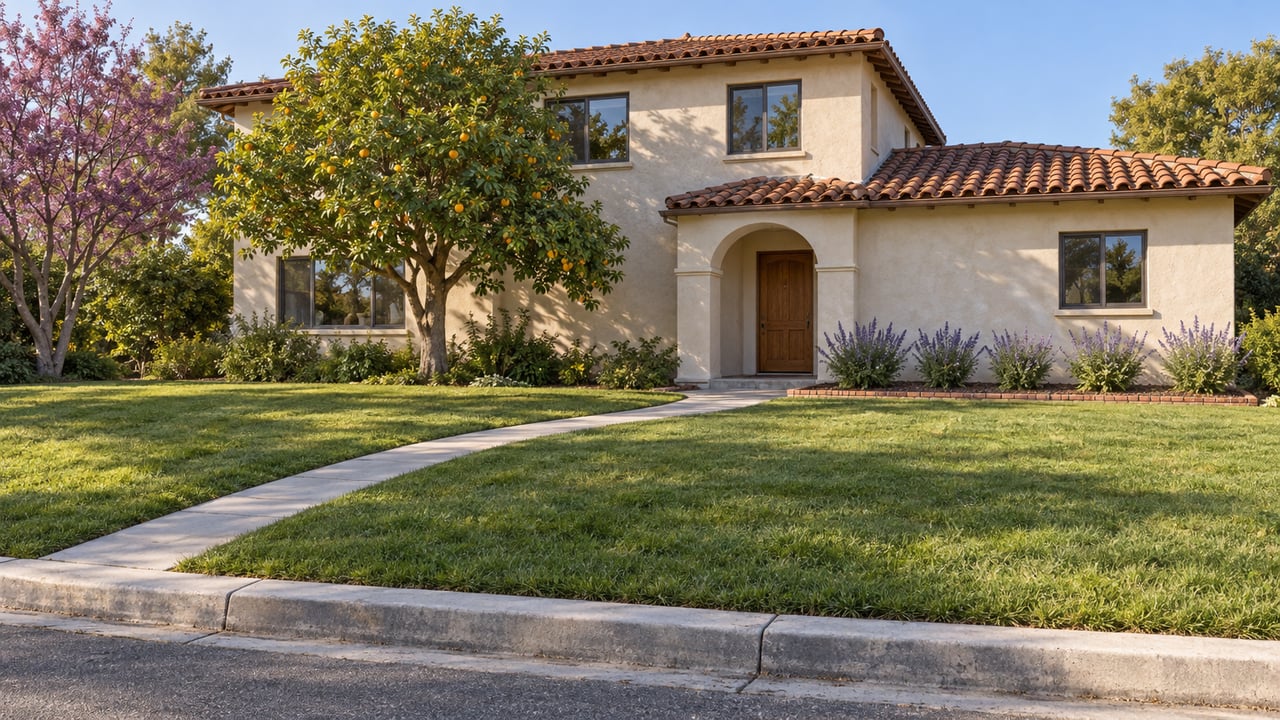
Riverside also offers variety. The city’s neighborhood map spans brand-new housing tracts, historic neighborhoods, and plenty in between. That gives you more flexibility if your wish list includes either architectural character or a more recently built community feel.
Riverside neighborhoods to know
Historic Riverside options
If you love older homes and established street patterns, Downtown and Wood Streets are two of the clearest places to start. Downtown Riverside retains a grid laid out in 1870 and includes Spanish Colonial Revival, Mission Revival, California Bungalow, Beaux Arts, and modern architecture.
Wood Streets is known as a pre-World War II neighborhood with a traditional grid and strong early 20th-century character. For buyers coming from older parts of LA or certain OC neighborhoods, these areas may feel familiar in the best way, with more architectural personality and a strong sense of place.
Riverside also has a large preservation footprint. The city reports more than 3,000 Structures of Merit, 153 City Landmarks, 13 Historic Districts, 4 California Landmarks, and 2 National Historic Landmarks. If neighborhood identity matters to you, that is a notable part of Riverside’s appeal.
Newer and suburban-feeling areas
If your priority is newer construction, planned residential areas, or a more suburban layout, Riverside has strong options there too. Mission Grove, Orangecrest, and La Sierra South are among the clearest examples.
Mission Grove is largely post-1980 development and includes single-family homes, condos, apartments, retail, and office space. Orangecrest offers a variety of housing types along with a 30-acre community park. La Sierra South includes the Riverwalk Vista infill community and access to the La Sierra Metrolink station, which can be helpful if commuting is part of your routine.
Canyon Crest also stands out for buyers who want an established area with shopping, dining, parks, and civic amenities nearby. Magnolia Center and Victoria add other established options, blending older housing with shopping and daily conveniences.
Commuting from Riverside to LA or Orange County
One of the biggest questions in any Riverside move is whether the commute will work for your real life. The short answer is yes for some buyers, especially if you have hybrid flexibility, but it requires planning and honest expectations.
Riverside-Downtown station sits on Metrolink’s 91/Perris Valley, Inland Empire-Orange County, and Riverside lines. The city also notes that La Sierra station can serve commuters headed to Los Angeles and Orange County. That gives you more than one rail access point depending on where you live.
For Los Angeles-bound riders, the current Metrolink timetable shows Riverside-Downtown departures on the Riverside Line at 3:54, 4:54, 5:54, 6:54, and 12:54, with arrivals at L.A. Union Station about 91 minutes later. The 91/Perris Valley Line adds more weekday trips, but the Riverside Line does not run on Saturdays or Sundays.
For Orange County, the Inland Empire-Orange County Line offers weekday service to Irvine, Tustin, Santa Ana, Orange, and Anaheim Canyon. RTA’s CommuterLink Express also adds commuter bus options across Riverside, Orange, and San Bernardino counties, and Metrolink ticket holders can ride RTA for free.
The key takeaway is simple. Riverside can be a workable home base if you do not need a quick daily drive and your schedule leaves room for regional transit timing. If you work on-site every day in LA or Orange County, you will want to weigh that commitment carefully before making the move.
Daily life in Riverside
Relocation is about more than the house. You also want to know what your weekends, errands, and downtime may look like once you get settled.
Riverside has a strong outdoor network, with nearly 3,000 acres of public parkland, 49 developed parks, and 9 natural open parks. Popular local destinations include Mount Rubidoux, the Santa Ana River Trail, Sycamore Canyon Wilderness Park, and Victoria Avenue. If access to outdoor space matters to you, Riverside offers a lot to explore.
Downtown Riverside is another major draw. The area includes the Mission Inn, Main Street pedestrian mall, Riverside Art Museum, Mission Inn Museum, and UCR/ARTSblock, all within a compact historic core. That mix gives the city a distinct center that many suburban areas simply do not have.
For everyday convenience, shopping and services are spread across neighborhood hubs. Magnolia Center includes Riverside Plaza and Brockton Arcade, Canyon Crest has a shopping and dining center, and La Sierra includes the Galleria at Tyler along with nearby civic services.
Climate adjustments to expect
If you are coming from coastal Orange County or milder parts of Los Angeles, the weather may be one of the biggest daily changes. Riverside has a semi-arid climate with hot, dry summers.
The city notes that Riverside is no stranger to hot summer days and activates cooling centers when temperatures reach 97 degrees or higher. That does not mean summer is unmanageable, but it does mean you should be ready for a different heat pattern than what you may be used to closer to the coast.
For many movers, this becomes one of the clearest lifestyle tradeoffs. You may gain more home for the money and more access to parks and varied neighborhoods, while also adjusting to warmer summer conditions.
Transit and getting around locally
Even if you are not commuting out of the city every day, local mobility still matters. Riverside Transit Agency operates 32 local routes and three CommuterLink Express routes, along with GoMicro and Dial-A-Ride service.
That transit network can help with day-to-day movement within Riverside and with some regional connections. If you want to reduce how often you drive or you are choosing between neighborhoods, access to local transit and nearby rail stations may deserve a closer look.
How to decide if Riverside fits your move
Riverside tends to make the most sense when you want a better balance between home cost, space, and lifestyle. If you are moving from LA or Orange County and feeling squeezed by pricing, Riverside may offer a path to a home that fits your needs without giving up access to Southern California job centers.
The biggest advantages are usually more room in the budget, a wide mix of neighborhood styles, strong park access, and a real historic downtown. The biggest tradeoffs are typically hotter summers and a commute that has to be planned around distance and transit schedules.
If you are deciding between several Riverside areas, it helps to compare them through your real priorities. Think about whether your move depends most on commuter access, home age, neighborhood layout, shopping convenience, or outdoor space. That is often the fastest way to narrow your search and avoid wasting time on areas that do not fit how you actually live.
A smart relocation plan starts with the right neighborhood match, a clear price strategy, and realistic expectations about timing. If you want help comparing Riverside options against what you are seeing in LA or Orange County, Jacqueline Johnson can help you build a focused plan and move forward with confidence.
FAQs
Is Riverside more affordable than Los Angeles County or Orange County?
- Yes. As of May 2026, Riverside’s median sale price was $639,617, compared with $937,189 in Los Angeles County and $1,255,983 in Orange County.
Can you commute from Riverside to Los Angeles for work?
- Yes, some buyers do, especially with hybrid or flexible schedules. Riverside-Downtown has Metrolink service to L.A. Union Station, with Riverside Line trips taking about 91 minutes, but service is schedule-based and the Riverside Line does not run on weekends.
Can you commute from Riverside to Orange County?
- Yes. Riverside-Downtown is on the Inland Empire-Orange County Line, which offers weekday service to cities including Irvine, Tustin, Santa Ana, Orange, and Anaheim Canyon.
Which Riverside areas feel most historic?
- Downtown Riverside and Wood Streets are two of the strongest options for buyers looking for older architecture, established street grids, and early neighborhood character.
Which Riverside areas feel newer or more suburban?
- Mission Grove, Orangecrest, La Sierra South, and Canyon Crest are among the clearest choices for buyers looking for newer or more planned residential areas.
What is daily life like in Riverside for new residents?
- Riverside offers nearly 3,000 acres of public parkland, a historic downtown with cultural attractions, and multiple neighborhood shopping hubs, giving you a mix of outdoor access and everyday convenience.
What is one of the biggest lifestyle changes when moving to Riverside?
- For many people, it is the climate. Riverside has hot, dry summers, and the city activates cooling centers when temperatures reach 97 degrees or higher.