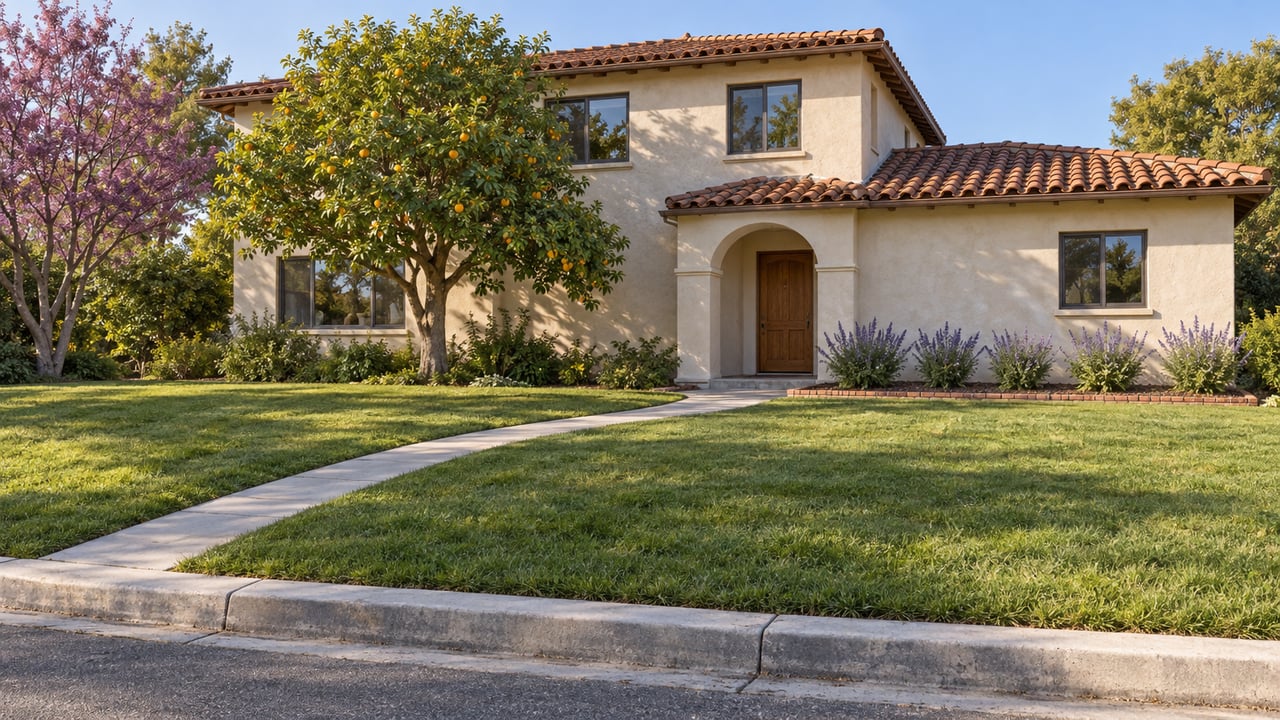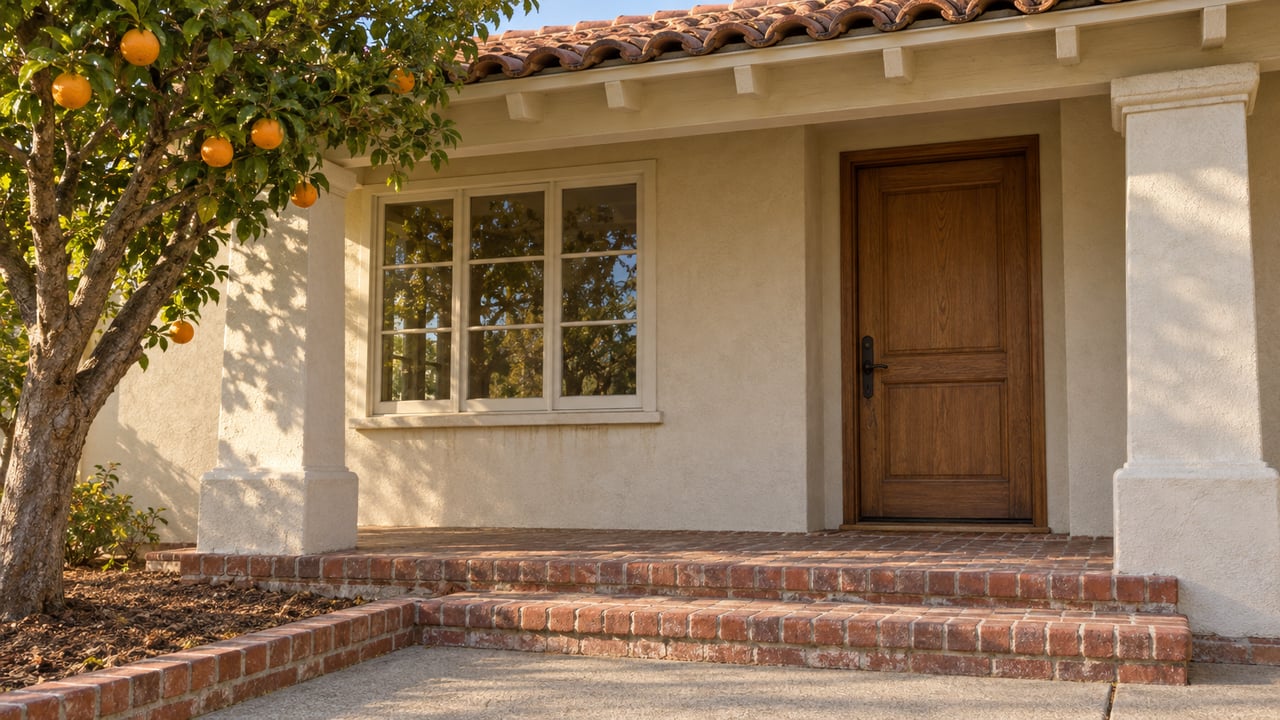
You do not need a coastal zip code to find a single-family rental opportunity in Southern California. Riverside stands out because it offers a large housing market, a lower entry point than many nearby coastal areas, and rent levels that can still make the numbers worth a closer look. If you are thinking about buying an investment home here, it helps to understand how pricing, rent, taxes, property condition, and local rules all work together before you make an offer. Let’s dive in.
Why Riverside Gets Investor Attention
Riverside is a large and established market with 323,057 residents and 95,176 households. Owner-occupied housing makes up 56.8% of housing units, the median value of owner-occupied homes is $584,800, and median gross rent is $1,914.
Recent Redfin data places Riverside’s median sale price at about $639,617 over the last three months. Homes have averaged 35 days on market and about 2 offers per listing, which suggests a market that still moves without matching the price levels common in many coastal areas.
For investors, that relative affordability is a big part of the story. Riverside can offer more rent relative to purchase price than nearby Orange County, San Diego County, and Los Angeles County, which is one reason many small investors look inland.
What the Rent-to-Price Relationship Means
Using Census median figures, Riverside’s implied gross rent yield is about 3.9%. By comparison, the same rough calculation comes out to about 3.0% in Orange County, 3.2% in San Diego County, and 2.8% in Los Angeles County.
That does not mean every home in Riverside is a strong investment. It does mean the city can give you a more favorable starting point when you begin screening properties for possible cash flow.
Gross rent yield is only an early filter. A property that looks promising on paper can still underperform once you factor in taxes, insurance, repairs, vacancy, and financing.
Riverside Housing Stock Matters
Riverside has a housing mix that leans heavily toward detached homes. City housing documents describe the stock as roughly 68% single-family detached, 30% multifamily, and 2% mobile homes.
That matters because single-family rentals are not unusual here. You are looking at a broad, established housing base where older homes, suburban tract homes, attached single-family options, condos, and townhomes can all show up in your search.
The bigger takeaway is that Riverside is not a one-size-fits-all market. A home’s age, layout, lot size, and maintenance history can vary a lot from one area to another, so your analysis should stay specific to the property and immediate area.
Why Neighborhood-Level Analysis Counts
A citywide average rent can help you get oriented, but it should not drive your final decision. Riverside includes a wide range of home styles and conditions, so two single-family homes with similar square footage may perform very differently depending on upkeep, layout, parking, lot utility, and local competition.
This is especially important if you are comparing older homes with possible deferred maintenance to newer tract properties with cleaner condition but higher carrying costs. The right investment is usually the one where rent potential, condition, and ongoing expenses line up realistically.
ADU Potential Can Change the Math
The City of Riverside states that all residential properties have been eligible to add at least one ADU and one JADU since January 1, 2020. For some investors, that opens the door to future flexibility.
That does not mean every lot is equally practical for expansion. Site layout, existing improvements, and project costs still matter, but a property with usable space may offer more long-term options than a similar home without that potential.
If you are comparing two homes at similar price points, ADU potential may be worth a closer look. It can affect future income possibilities and resale appeal, especially if the lot can support added functionality.
Rent Trends Look Stable, Not Overheated
Riverside’s rental market appears steady rather than fast-rising. Zillow rental data dated June 12, 2026 shows an average rent of $2,150 across all bedrooms and property types, down $100 year over year, with 655 available rentals.
At the county level, HUD describes the Riverside County rental market as slightly soft. The estimated rental vacancy rate is 7.2%, apartment vacancy is 8.7%, and average rent was $2,114 and flat year over year.
For you as an investor, that supports a more conservative approach. It is wiser to underwrite with modest rent growth assumptions than to count on sharp rent increases to make the deal work.
Use Realistic Vacancy Assumptions
In a softer rental environment, vacancy deserves real attention. Even a strong house can have downtime between tenants, and turnover can bring cleaning, repairs, and leasing costs.
That is why it helps to build reserves into your plan from the beginning. If your numbers only work when the property stays fully occupied every month and needs very little maintenance, the margin may be too thin.
A steady market can still support good investments. It just rewards careful underwriting more than optimistic forecasting.
Understand the Full Cost Picture
A purchase price is only part of the investment story. For residential rental property, common operating costs include mortgage interest, property taxes, insurance, maintenance, repairs, and depreciation.
These items affect your true return more than many first-time investors expect. A home with a lower list price can still end up more expensive to hold if it has higher repair needs, more insurance exposure, or added tax-related costs.
Before you move forward, it helps to estimate expenses line by line instead of relying on rough percentages alone. Small differences across several categories can change your bottom line in a meaningful way.
How California Property Taxes Affect Returns
In California, Proposition 13 shapes the property tax framework. The base tax rate is generally 1% of assessed value plus voter-approved bonded indebtedness, and future annual increases are generally limited to 2%.
That said, a change in ownership or new construction can trigger a supplemental assessment and an additional tax bill. Local tax bills may also include special assessments, special taxes, or Mello-Roos charges.
This is one reason investors should not assume the lowest purchase price equals the lowest carrying cost. Two homes with similar values can have different tax burdens depending on assessments and local charges.
Know the Return Metrics That Matter
When you evaluate a Riverside single-family rental, it helps to separate three common return measures:
- Gross rent yield: Annual rent compared with purchase price
- Net operating income: Income left after operating expenses, before financing
- Cash flow after financing: What remains after debt service is paid
Gross rent yield helps you screen quickly. Net operating income gives you a clearer picture of property performance, and cash flow after financing shows what the investment may actually put in your pocket each month.
A home can look attractive on a gross basis but weaken once full expenses and loan payments are included. That is why disciplined analysis matters before you write an offer.
Tenant Law Can Affect Strategy
California’s Tenant Protection Act, AB 1482, exempts certain single-family homes, but that exemption is not automatic in every case. It depends on ownership structure and notice rules, and single-family homes owned or controlled by a corporation or REIT can fall within the law.
The practical point is simple: do not assume every Riverside single-family rental is exempt. Exemption status should be verified for the specific parcel and ownership setup before you rely on it in your planning.
This is one of several areas where careful due diligence can save you from expensive surprises later. Regulatory details may not be exciting, but they can affect long-term operations.
What Strong Riverside Deals Usually Have
The best Riverside opportunities are often the homes where several factors align at once. Purchase price, achievable rent, maintenance needs, tax treatment, and financing all need to support a realistic return after expenses.
In today’s environment, that usually means avoiding deals that depend on aggressive rent growth or unrealistically low repair budgets. Riverside can still make sense for small investors, but the strongest properties tend to be the ones that work under more conservative assumptions.
That balanced view is important because Riverside sits in an interesting middle ground. The sales market is still competitive, while the rental side looks more moderate, which can create opportunity for investors who stay selective and disciplined.
How to Evaluate a Riverside Home Before You Offer
If you are narrowing down options, focus on a few core questions:
- What is the realistic market rent for this specific property type and condition?
- How much work will the home need in the first 12 to 24 months?
- What will property taxes, assessments, and insurance likely cost?
- Is there any meaningful ADU or JADU potential?
- Does the projected cash flow still make sense with vacancy and repair reserves?
These questions can help you separate a property that merely looks affordable from one that actually supports your investment goals. In a market like Riverside, details matter.
Why Local Guidance Helps
Riverside offers real opportunity, but it also requires local judgment. Property condition, pricing strategy, and neighborhood-specific rent expectations can vary widely, and that is where hands-on market insight becomes valuable.
If you want to compare homes, pressure-test the numbers, or understand how a property fits your goals, working with an experienced local advisor can help you move with more clarity. With the right strategy, you can avoid common mistakes and focus on homes that truly fit your plan.
If you are exploring investment opportunities in Riverside and want thoughtful guidance on pricing, property selection, and local market strategy, connect with Jacqueline Johnson.
FAQs
What makes Riverside single-family homes appealing to investors?
- Riverside offers a lower entry point than many nearby coastal markets, and Census-based comparisons suggest a more favorable rent-to-price relationship than Orange, San Diego, and Los Angeles counties.
How competitive is the Riverside home market for investors?
- Recent Redfin data shows a median sale price around $639,617, average days on market of 35, and about 2 offers per listing, which points to an active but not extreme sales market.
Are rents in Riverside still rising quickly?
- Current data in the research report suggests a steadier rental market, with Zillow showing average rent at $2,150 across property types and down $100 year over year.
Can an ADU add value to a Riverside investment property?
- It can, depending on the property, because the City of Riverside states residential properties have been eligible to add at least one ADU and one JADU since January 1, 2020.
Are all Riverside single-family rentals exempt from AB 1482?
- No. The research report notes that some single-family homes may be exempt, but exemption depends on ownership structure and notice rules, so investors should verify status for the specific property.
What costs should I review before buying a Riverside rental home?
- Review mortgage interest, property taxes, insurance, maintenance, repairs, vacancy assumptions, and any local assessments or Mello-Roos-type charges that may affect carrying costs.